Mom Life Retro SVG: A Designer's Real-World Review
As a designer who spends more time staring at stitch simulations than I do sleeping, I approach every new digital embroidery file with a healthy dose of skepticism. We have all been there: you buy a cute graphic, load it into your software, and realize the lines are too close together for a satin stitch or the details will vanish on a textured towel. That is why I took a close look at the Mom Life, Retro SVG Cutting File not just as a cut file for vinyl, but as a potential candidate for real stitching projects. While this listing is technically marketed under T-Shirt Designs and Graphics, my job is to see past the mockup and determine if this asset holds up under the needle.
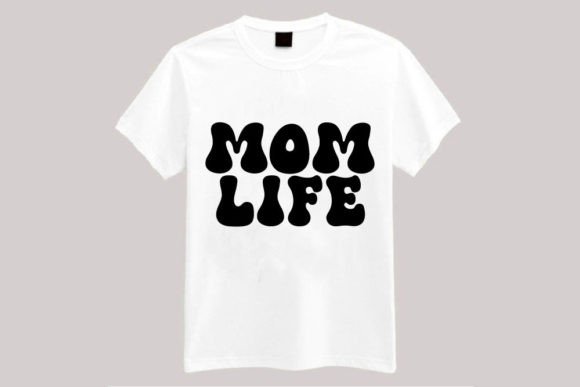
The first thing that strikes me about the Mom Life, Retro SVG Cutting File is its visual personality. The "retro" aesthetic usually implies bubbly fonts, warped text baselines, and perhaps some sunburst or flower motifs. In a digital format like SVG, EPS, or PNG, these shapes look crisp and clean. However, translating that vector perfection into thread requires a different eye. The mood here is nostalgic and warm, perfect for the current trend of vintage-inspired motherhood apparel. But does the layout work for embroidery? The answer depends entirely on how you adapt it.
From Vector to Thread: Assessing the Stitch Potential
When I open the included files—remember, you receive one Zip containing SVG, DXF, PNG, EPS, and JPG formats—I am immediately looking at the complexity of the shapes. For a machine embroidery design, simplicity is often king, especially with text-heavy graphics. The retro style of this piece likely features thick, rounded lettering. This is excellent news for satin stitching. Thick lines allow for wider satin columns, which are more stable and less prone to puckering than thin, spindly text.
However, because this is sold primarily as a cutting file, it is not a pre-digitized embroidery file in the traditional sense (like a PES or DST). This is a crucial distinction for any Etsy seller or craft business owner. You cannot simply plug the SVG directly into your embroidery machine without digitizing software or a conversion service. If you are an experienced decorator, you know that taking an SVG and converting it to stitches gives you total control over the stitch density, underlay, and pull compensation. If you are a hobbyist, you might need to hire a digitizer or use auto-digitizing features in your software, keeping a close eye on the result.
A Real-World Scenario: The Boutique Sweatshirt
Let's imagine a practical scenario. A client comes to my small shop wanting a custom gift for a new mom. She wants something cozy, something that says "Mom Life" but feels trendy, not generic. I pull up the Mom Life, Retro SVG Cutting File. The retro vibe fits perfectly with the oversized, washed-out sweatshirts that are popular right now.
In this project, I would likely treat the text as a fill stitch or a wide satin stitch depending on the size. If I were stitching this onto a heavy cotton blend sweatshirt, the fabric texture would hide minor imperfections, but the stretch of the knit means I must be vigilant about stabilization. The curved nature of retro typography adds a dynamic flow to the garment, making it feel like a bespoke handmade product rather than a mass-produced item. The customer isn't just buying a shirt; they are buying a feeling of connection and style. When the finished product comes off the hoop, the raised texture of the thread against the fleece creates a tactile experience that a vinyl cutout simply cannot match.
Navigating Fabric Challenges and Hoop Limitations
While the design is versatile, there are specific situations where you need to proceed with caution. If you plan to use this on a tote bag design made of canvas, the weave of the fabric can be tricky. Canvas has a distinct grid; if your stitch angles align poorly with the fabric grain, the design can look distorted. Furthermore, tote bags often have seams or pockets that limit your hoop size. You must measure the available stitching area before committing to a large version of this graphic.
Another consideration is dark fabric. The preview images for these types of Graphics often show black text on white backgrounds. If you are stitching white thread on a navy blue hoodie, you need to ensure your digitizing includes a robust underlay. Without it, the dark fabric will peek through the stitches, ruining the crispness of the retro font. Similarly, if you attempt this on a cap, the curved surface adds another layer of difficulty. The distortion on a curved front panel can make straight lines look bowed and text hard to read. For caps, I would recommend simplifying the design or reducing the size significantly to maintain clarity.
Small details are also a risk. If the retro styling includes tiny flowers or intricate swirls attached to the letters, these might need to be removed or simplified for embroidery. Tiny elements often turn into bird nests of thread if they are smaller than a quarter-inch. Always inspect the vector paths in your editing software before sending them to the machine.
Enhancing Brand Value and Customer Trust
Using a high-quality base graphic like the Mom Life, Retro SVG Cutting File can significantly elevate your brand consistency. When customers see clean, well-executed typography on your custom apparel, they associate that quality with your entire shop. It builds trust. A sloppy stitch job on a popular phrase can damage your reputation, but a precise, well-density-balanced execution turns a simple phrase into a premium personalized gift.
For those selling printable mockups or digital previews, the included PNG and JPG files are invaluable. They allow you to showcase the design on various products before you even stitch a single thread. This helps in gauging customer interest and planning your inventory for holiday embroidery seasons or Mother's Day rushes. However, always remember that a mockup is an idealization. The real test is the physical stitch out.
Practical Notes for the Serious Maker
Before you start churning out dozens of these for your small shop product line, here are my non-negotiable steps for working with this type of asset:
- Test on Scrap First: Never run a new design on a final garment without a test stitch-out on similar fabric. Check how the retro curves pull on the material.
- Check Thread Contrast: Ensure your thread colors pop against the fabric. Retro designs often rely on specific color palettes; deviating too much can lose the vibe.
- Review Stitch Density: If you digitize this yourself, avoid overly dense fill stitches which can make the fabric stiff and uncomfortable to wear.
- Confirm Hoop Size: Measure your design dimensions against your machine's maximum hoop capability.
- Inspect Small Details: Zoom in on the vector file. Are there any stray nodes or microscopic gaps that could cause thread breaks?
- Stabilizer Selection: For stretchy fabrics like t-shirts, a cut-away stabilizer is often safer than tear-away to prevent long-term distortion.
- Licensing Verification: Since this listing is for digital files intended for crafting, double-check the license terms regarding commercial use. Can you sell the stitched item? Can you resell the digital file? Usually, you can sell the physical finished product, but redistributing the SVG itself is prohibited.
The Mom Life, Retro SVG Cutting File is a solid foundation for creative entrepreneurs. It captures a specific cultural moment with warmth and style. Whether you are creating an embroidered patch for a diaper bag, adding flair to a kitchen towel, or launching a new line of boutique tees, the potential is there. But remember, the file is just the blueprint. The magic happens in your hands, through your choice of thread, fabric, and stitching technique. Treat it with the respect of a professional applique design or complex satin work, and it will reward you with a best-selling item that resonates with moms everywhere.